Fan Systems
Energy Efficient Fans and Daily Operating Cost in Malaysia
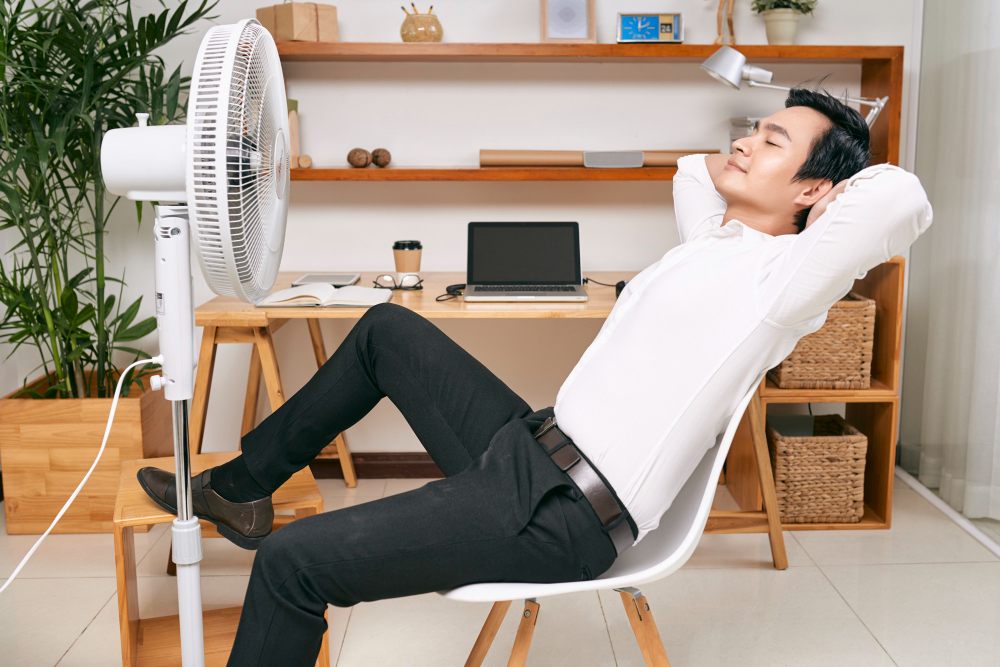
Fans are small electrical appliances, but their operating hours can be high. In Malaysia, a bedroom fan may run every night, a living room fan may run during most occupied hours, and a shop fan may run throughout business operation. Energy efficiency therefore depends not only on rated wattage but also on speed setting, room use, motor type, and whether the fan helps reduce reliance on air conditioning.
A fan does not cool air in the same way as an air conditioner. It creates comfort by moving air across people and improving heat loss from the body. This means the fan's value is linked to perceived comfort. If a fan allows occupants to remain comfortable at a higher air conditioner set point, the combined energy result can be useful. If the fan is left running in an empty room, it provides no comfort benefit and only consumes electricity.
What Determines Fan Power Use
The main factors are motor design, blade load, speed level, and control electronics. Higher speed generally uses more power because the motor must overcome greater air resistance. Blade shape and pitch affect how much air is moved for a given motor effort. A fan with poor aerodynamic matching may consume power without delivering comfortable airflow.
DC motor fans often use less power at low and medium speeds than comparable AC fans. However, actual efficiency depends on product design and operating pattern. The technical guide on DC motor design fans explains the internal control difference in more detail. The main design fan Malaysia guide connects motor efficiency with room fit and practical selection.
Energy Variables to Review
- Rated wattage: Useful for comparison, but check at realistic speed settings.
- Operating hours: Long daily use makes efficiency more important.
- Room occupancy: Fans should serve people, not empty rooms.
- Air conditioner support: Air movement can improve comfort at higher cooling set points.
- Maintenance condition: Dust and imbalance can reduce performance and increase noise.
Speed Settings and Comfort
Energy efficient operation usually means using the lowest speed that provides comfort. A fan running at high speed may feel strong but can create noise, papers moving, dry eyes, or uncomfortable drafts. Multiple speed levels help users find a stable setting. This is especially important in bedrooms where the fan may run for many hours.
A correctly sized fan can operate at lower speed because it moves enough air across the occupied zone. An undersized fan may need higher speed to compensate, which increases noise and power use. This is why energy efficiency starts with sizing, not just the motor label.
Fans With Air Conditioning
When used with air conditioning, a fan helps distribute cooled air and reduces still warm pockets in the room. Occupants may feel comfortable at a slightly higher thermostat setting because air movement improves heat transfer from the body. The fan should not blow directly against the air conditioner sensor in a way that causes poor temperature control.
In living rooms and offices, air circulation can reduce the feeling that one area is cold while another remains warm. In bedrooms, a low fan speed can prevent overcooling while maintaining comfort. These results depend on layout, insulation, sunlight, window leakage, and the air conditioner's own capacity.
Operating Cost Thinking
To estimate operating cost, multiply power consumption by daily hours and electricity tariff. The exact number changes by product and usage, so the more important habit is comparison. A fan used two hours per day has a different efficiency priority from a fan used ten hours per day. A premium efficient fan may justify itself better in long-use rooms than in a rarely used guest room.
Maintenance also affects real efficiency. Dust on blades can disturb airflow and increase imbalance. Loose brackets create vibration that users may solve by lowering speed, reducing comfort. Clean, balanced fans deliver more predictable air movement. For maintenance details, read fan installation and maintenance checks.
How to Compare Models Sensibly
Model comparison should be based on the room where the fan will operate. For a bedroom, low-speed wattage, quietness, and timer control may matter more than maximum airflow. For a living room, the useful middle speeds and coverage area may matter more. For a shop or reception area, reliability, cleaning access, and long operating hours become stronger factors.
It is also useful to compare the fan as part of the full comfort system. A slightly more efficient fan that is undersized may still lead users to run the air conditioner harder. A well-sized fan with practical speed control may create better comfort at lower total energy use. This is why the main design fan Malaysia article treats efficiency as one part of selection rather than the only buying criterion.
Technical FAQ
Does a fan lower room temperature?
No. A fan mainly improves perceived cooling by moving air across occupants. It may help distribute cooled air, but it does not remove heat like an air conditioner.
Is low speed always most efficient?
Low speed normally uses less power, but it must still provide comfort. A correctly sized fan makes low and medium speeds more usable.
Should fans be switched off in empty rooms?
Yes. Fans cool people, not empty rooms. Leaving a fan running without occupants wastes electricity.
Can a fan reduce air conditioner load?
It can support comfort at a higher set point, but savings depend on user behavior, room heat gain, and air conditioner efficiency.