Fan Systems
Ceiling Fan Size and Airflow Planning for Malaysian Rooms
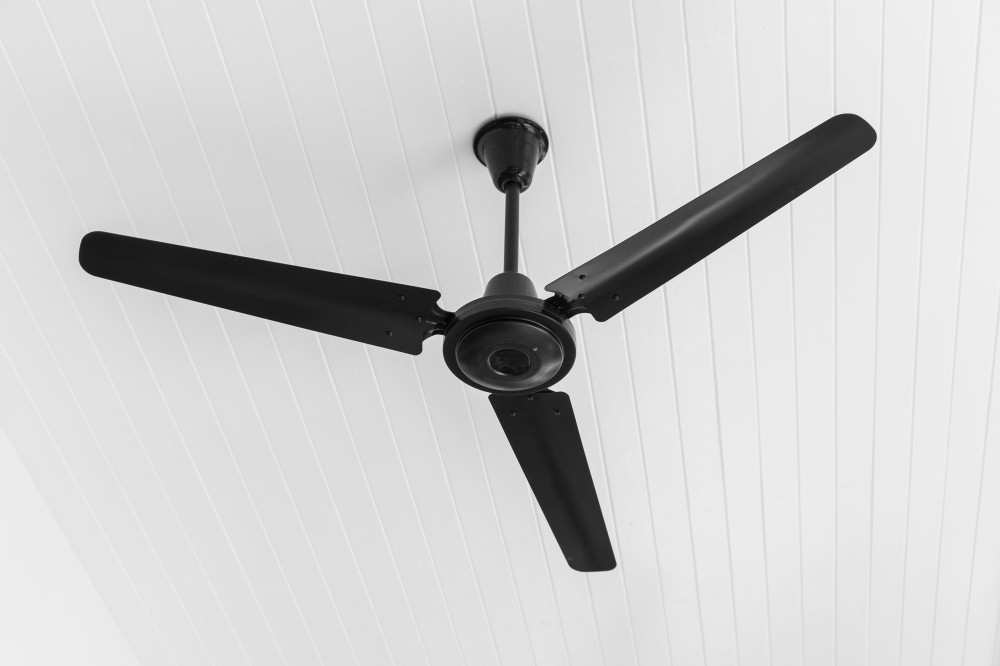
Fan size is one of the most misunderstood parts of fan selection. Many buyers choose the biggest fan that visually fits the ceiling, while others choose a compact fan because it looks neater. Both decisions can be wrong if they ignore where people sit, how high the ceiling is, and how air moves around furniture and obstructions. A ceiling fan is effective only when its airflow reaches the occupied zone in a comfortable pattern.
Blade span is the overall diameter of the fan from blade tip to blade tip. It affects coverage, but it is not the only variable. Blade pitch, motor speed, ceiling height, downrod length, and room shape all affect the final airflow. A larger fan at low speed may feel smoother than a smaller fan at high speed.
Start with the Occupied Area
Measure the usable area first. In a bedroom, the key zone may be the bed and dressing path, not every corner. In a living room, the key zone may be the sofa area. In a dining room, airflow should cover seated occupants without causing papers, napkins, or food surfaces to be disturbed. In a shop, the fan may need to cover waiting customers or a counter zone.
This approach is more useful than matching fan size only to room square footage. A long narrow room may need different placement from a square room. An open-plan living and dining area may need two moderate fans rather than one very large fan. The main design fan Malaysia guide explains how sizing works together with design, motor type, and installation constraints.
Airflow Planning Checklist
- Room shape: Square, rectangular, open-plan, or partitioned layouts behave differently.
- Ceiling height: Determines whether a downrod is needed for effective air delivery.
- Obstructions: Beams, pendant lights, cabinets, and air conditioner units affect placement.
- Furniture position: Airflow should serve where people actually spend time.
- Noise tolerance: Overspeeding a small fan can create unnecessary air noise.
Ceiling Height and Downrod Effect
A fan mounted too high may circulate air near the ceiling without enough movement at sitting or sleeping height. A fan mounted too low may feel aggressive and can create clearance concerns. Downrod length is used to bring the fan into a better operating position, especially for higher ceilings. For low ceilings, hugger or low-profile fans may be considered, but performance should still be checked.
Ceiling structure matters. A fan should be fixed to a suitable support point, not only to a decorative ceiling board. False ceilings require proper anchoring above the board. If a fan is installed below a plaster ceiling without adequate support, vibration and safety risks can develop over time.
Airflow Direction and Comfort
Most ceiling fans create downward airflow, then the air spreads outward across the floor and returns upward around the room. The occupant feels cooling because moving air increases heat loss from the skin. Too much direct airflow can be uncomfortable during sleep or when sitting directly below the fan. Too little airflow makes the fan feel decorative but ineffective.
Speed range is therefore important. A fan should have a usable low speed, a comfortable medium speed, and a high speed for hotter periods or larger gatherings. If only the highest speed feels effective, the fan may be undersized or poorly placed.
Using More Than One Fan
In larger spaces, multiple fans can produce better comfort than one oversized fan. This is common in long living rooms, covered terraces, small halls, and commercial interiors. Multiple fans reduce dead zones and allow each fan to run at lower speed. The layout should avoid blade overlap and should consider lighting, sprinkler heads, air conditioner throw, and ceiling beams.
Good sizing is an engineering decision with a design outcome. Once the right coverage is known, the buyer can compare colour, blade shape, lighting, and remote functions with less risk of poor performance. For the broader selection framework, read the main design fan Malaysia guide.
Checking the Result After Installation
Airflow planning should be verified after the fan is installed. Stand in the normal occupied positions and test low, medium, and high speed. If the air is strong only directly below the fan, placement or blade span may not suit the room. If the fan shakes at higher speed, the issue may be balance, bracket rigidity, or uneven blade installation. If the room still feels stagnant at usable speeds, the fan may be too small or installed too high.
This final check is useful because drawings and measurements cannot show every real condition. Furniture, curtains, open doors, air conditioner operation, and ceiling shape can change the way air moves.
Technical FAQ
Is bigger always better for a ceiling fan?
No. A fan that is too large for the room may feel overpowering, look unbalanced, or conflict with lights and beams. Size should match the occupied zone and ceiling constraints.
Why does my fan feel weak even at high speed?
Possible causes include wrong blade span, poor blade pitch, high mounting position, weak motor, obstruction, or incorrect room placement.
Can one fan cover an open-plan area?
Sometimes, but long or divided spaces often need more than one fan. Coverage should be planned around seating and work zones.
Does blade count determine airflow?
Not by itself. Blade pitch, span, motor torque, speed, and aerodynamic design are more important than simply counting blades.