Fan Systems Cluster
Design Fan Malaysia: How to Choose a Fan That Works for the Room
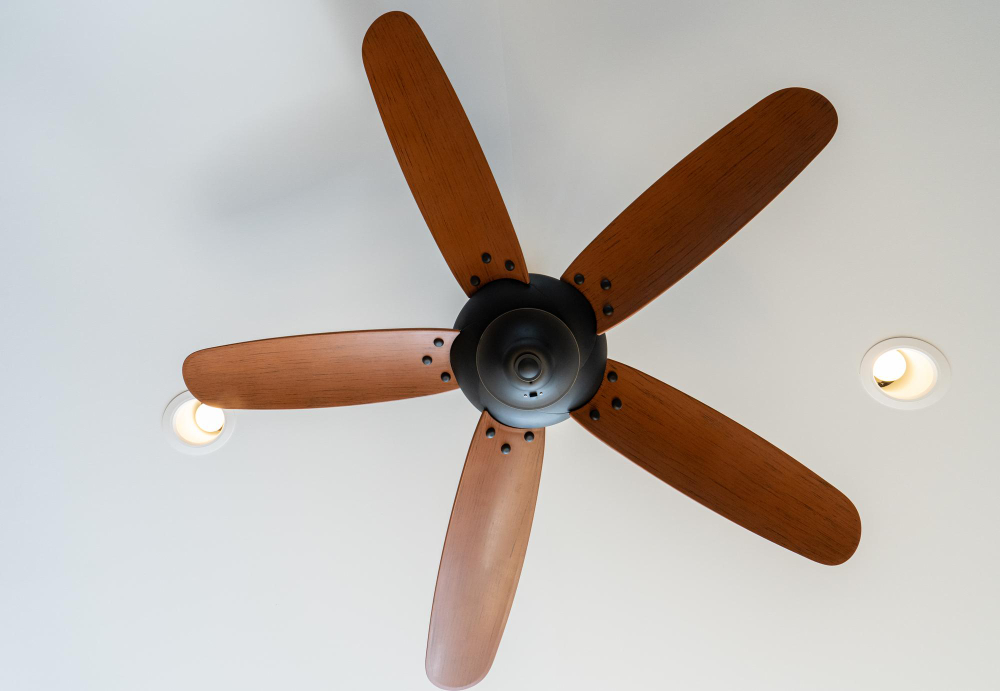
A design fan is not only a decorative item mounted to a ceiling, wall, table, or floor. In Malaysian homes, retail spaces, offices, cafes, and light commercial interiors, the fan is part of the room's comfort system. It moves air across the skin, reduces stagnant warm zones, supports air conditioner distribution, and changes how occupants feel at the same room temperature. A good fan selection therefore needs both visual judgement and technical judgement.
When selecting a design fan Malaysia option, many buyers compare appearance first: blade shape, colour, lighting, remote control, and whether the fan suits the room style. Those details matter, but they should not be separated from performance. A fan that looks correct but has weak air delivery, wrong blade span, unsuitable mounting height, or poor speed control may disappoint in daily use. The better approach is to treat the fan as a small rotating air-moving system with mechanical, electrical, and installation variables.
How a Design Fan Works
A fan creates comfort by rotating blades that push air downward, outward, or across a room depending on the fan type. Ceiling fans normally create a broad circulation pattern. Stand fans and table fans produce a more directional stream. The motor converts electrical energy into rotational movement, the blade geometry converts that rotation into airflow, and the mounting position decides how the airflow reaches people and surfaces.
The key performance relationship is between motor torque, blade pitch, blade length, rotational speed, and resistance from the surrounding air. Larger blades can move more air at lower speed, but they require adequate motor control and enough clearance. Smaller fans may spin faster but cover a smaller zone. Decorative blade shapes can still work well if the pitch, weight, balance, and motor are matched properly.
Main Components to Check
- Motor type: AC motors are common and reliable, while DC motors can offer finer speed control and lower power use.
- Blade span: The overall diameter should match room size and usable occupied area.
- Blade pitch and material: These affect air movement, vibration, weight, cleaning, and long-term balance.
- Mounting system: Downrod length, ceiling hook, bracket strength, and canopy design affect safety and airflow position.
- Control method: Wall regulators, remotes, timers, reverse mode, and smart controls change daily usability.
- Lighting module: Integrated lights add convenience but also affect maintenance access and glare control.
Room Selection Workflow
Start with the room function. A bedroom needs quiet operation at low and medium speed. A dining area needs air movement without blowing directly into food. A living room may need wider coverage and a design that matches furniture and ceiling features. A kitchen-adjacent space may need surfaces that are easier to clean because oil vapour and dust can collect on blades.
Next, measure the room and ceiling. Blade span should suit the area where people sit, walk, or work, not just the wall-to-wall dimension. Ceiling height affects downrod selection. Too high and the fan may circulate air above the occupied zone. Too low and it may create safety concerns or uncomfortable direct airflow. Obstructions such as beams, pendant lights, wardrobes, bunk beds, and air conditioner indoor units should be checked before purchase.
Then match the motor and control system. For frequent daily use, a DC motor design fan may be useful because low-speed control is often smoother and quieter. In a room where the fan supports air conditioning, multiple speed levels help occupants reduce air conditioner dependence without creating excessive draft. For a deeper technical explanation, read the technical guide on DC motor design fans.
Practical Usage in Malaysia
Malaysia's climate changes the way fans are used. Humidity makes air movement feel important even when the temperature is not extreme. In many homes, fans run for long periods in bedrooms and living rooms. In shops and offices, fans may be used with air conditioning to reduce hot spots near glass frontage, entrances, or high ceilings. In semi-open areas, stand fans or larger ceiling fans may provide more practical comfort than relying only on cooling equipment.
A design fan should also fit the maintenance environment. Dark blades may hide dust visually but still need cleaning. Light blades may show dust earlier but can be easier to inspect. Fans with complex decorative cages or lighting assemblies may require more careful cleaning. For long service life, see the related guide on fan installation and maintenance checks.
Common Selection Mistakes
The first mistake is choosing only by appearance. The second is oversizing a fan without considering ceiling height and seating position. The third is ignoring noise at low speed, which matters most in bedrooms. The fourth is buying a fan with integrated lighting without checking whether the light output, colour temperature, and replacement method suit the room. The fifth is assuming every remote-controlled fan has the same control quality.
Good selection should connect design, airflow, and installation. The fan should look appropriate, move enough air at usable speed settings, remain stable, and be maintainable. Related guides on ceiling fan size and airflow planning, decorative fan selection, and energy efficient fan operation cover these decisions in more detail.
Technical FAQ
Is a design fan different from a normal ceiling fan?
The working principle is the same, but a design fan places stronger emphasis on appearance, finish, blade form, integrated lighting, and control features. Performance still depends on motor quality, blade span, pitch, speed range, and installation height.
Are DC motor fans always better?
Not always. DC motor fans can be quieter and more efficient, especially at lower speeds, but the best choice depends on budget, room use, control preference, and product quality.
What fan size is suitable for a Malaysian bedroom?
It depends on room area, ceiling height, bed position, and obstructions. A compact room usually needs a smaller blade span, while a larger master bedroom may need wider coverage or careful fan positioning.
Can a fan reduce air conditioner electricity use?
It can help occupants feel cooler at a higher air conditioner set point because moving air improves comfort. Actual savings depend on usage habit, room insulation, air conditioner efficiency, and fan speed.