Fan Systems
Decorative Fan Selection Without Sacrificing Air Performance
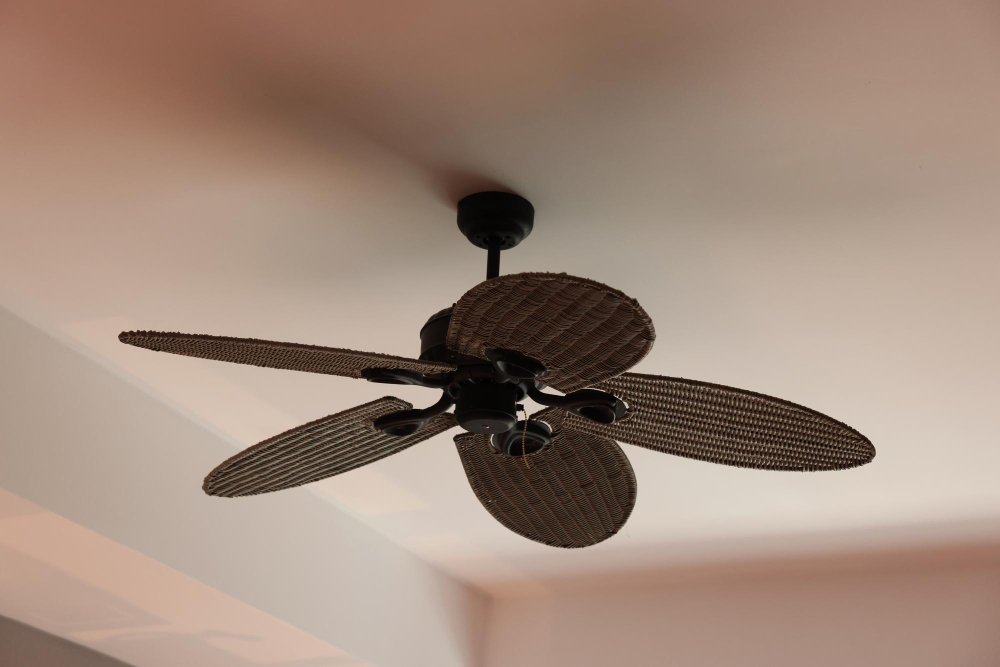
Decorative fans are often selected after the ceiling, lighting, furniture, and wall finishes have already been chosen. That makes sense visually, but it can create performance compromises. A fan is not a static decorative fitting. It rotates, moves air, produces sound, collects dust, and requires access for cleaning or repair. A good decorative fan should therefore satisfy both interior design requirements and mechanical operating requirements.
The visual decision usually begins with colour, blade form, number of blades, light kit style, and whether the fan looks modern, classic, minimal, or premium. The technical decision begins with room size, mounting height, motor type, blade material, and airflow pattern. The best purchase is found where these two decisions overlap. The main design fan Malaysia guide gives the complete selection framework; this article focuses on appearance-related trade-offs.
Blade Material and Finish
Blade material influences weight, stiffness, noise, cleaning, and long-term appearance. ABS plastic blades are common in modern fans because they can be shaped consistently and resist moisture better than some wood-based materials. Metal blades can be durable but may not suit every indoor comfort application because edge design and speed affect perceived airflow. Timber or timber-look blades create a warmer interior appearance but need attention to humidity, finish quality, and balance.
Finish selection should consider dust visibility. Matte black and dark wood finishes may hide mild dust from a distance, while white or light grey finishes show dust sooner. In kitchens and dining spaces, oil vapour can mix with dust and form a sticky layer, so simple blade shapes are easier to maintain than highly sculpted forms.
Decorative Checks That Affect Operation
- Blade shape: Complex forms may look refined but should still move air effectively.
- Lighting: Integrated lights should have suitable brightness, glare control, and replacement access.
- Remote receiver space: Decorative canopies must still house wiring and control modules safely.
- Cleaning access: Open blade surfaces are easier to wipe than cages, grooves, and layered trim.
- Room proportion: A fan should visually match ceiling height and furniture scale.
Integrated Lighting Decisions
A fan with an integrated light can reduce the number of ceiling fittings, but it should not be chosen only for convenience. The light position is central, so shadows and glare may differ from downlights or wall lights. Colour temperature affects room mood. Warm light may suit bedrooms and dining areas, while neutral light may suit kitchens or workspaces. Replacement method is important: some light modules use integrated LEDs that require compatible parts rather than a simple bulb change.
When the fan is used in a bedroom, dimming or separate fan-light control can matter. A user may want airflow at night without switching on the light. In a living room, the fan light may be secondary to other lighting layers. These decisions should be made before installation wiring is finalized.
Style Versus Airflow
Some decorative fans use shorter blades to appear compact, while others use wider sculpted blades to make a stronger visual statement. Neither approach is automatically right. The question is whether the fan can move enough air at comfortable speed. A beautiful fan that must run at maximum speed all the time is usually a poor fit. A visually larger fan that runs quietly at lower speed may feel more premium in daily use.
Interior style also affects mounting choice. A minimalist room may suit a low-profile fan with clean blades. A high-ceiling room may need a downrod that becomes visible, so the rod colour and canopy design matter. A fan in a covered outdoor or semi-open area should be checked for environmental suitability rather than selected from indoor appearance alone.
Coordinating With Other Ceiling Elements
Fans compete for ceiling space with pendant lights, recessed lighting, plaster ceiling drops, sprinkler heads, smoke detectors, air conditioner outlets, and beams. The fan's blade sweep must not conflict with these elements. Airflow should not fight directly with an air conditioner outlet in a way that causes uneven cooling or uncomfortable drafts.
A decorative fan succeeds when the room still works after installation. It should not make cleaning difficult, create glare, wobble visually, or dominate the ceiling in the wrong proportion. For the full technical selection route, return to the design fan Malaysia guide.
Durability and Long-Term Appearance
Decorative selection should include how the fan will look after years of use. High-touch remote controls, exposed light diffusers, blade edges, and glossy finishes can show wear differently. In humid environments, check whether the fan materials and coating are suitable for the intended room. A finish that looks excellent in a showroom may age poorly if it is exposed to cooking vapour, window heat, or frequent cleaning chemicals.
Spare parts also matter. A decorative fan with a unique light cover, remote, or blade set may be harder to restore if one component is damaged. Before choosing a highly stylized model, confirm that routine cleaning and likely replacement parts are practical.
Technical FAQ
Do decorative blades reduce performance?
Not necessarily. Performance depends on blade geometry, motor torque, speed, and overall design. Decorative blades can perform well if engineered correctly.
Are fan lights suitable as the main room light?
Sometimes, but it depends on brightness, beam spread, colour temperature, glare, and room use. Many rooms still benefit from separate lighting layers.
Which fan colour is easiest to maintain?
No colour avoids cleaning. Light colours show dust sooner, while dark colours may hide it until buildup becomes heavier. Smooth finishes are easier to wipe.
Can decorative fans be used near kitchens?
They can, but blade shape and surface cleaning matter because oil vapour can combine with dust. Avoid designs that are difficult to clean in greasy environments.