Cold Chain
Cold Room Storage Applications for Food, Medicine, Flowers, and Beverages
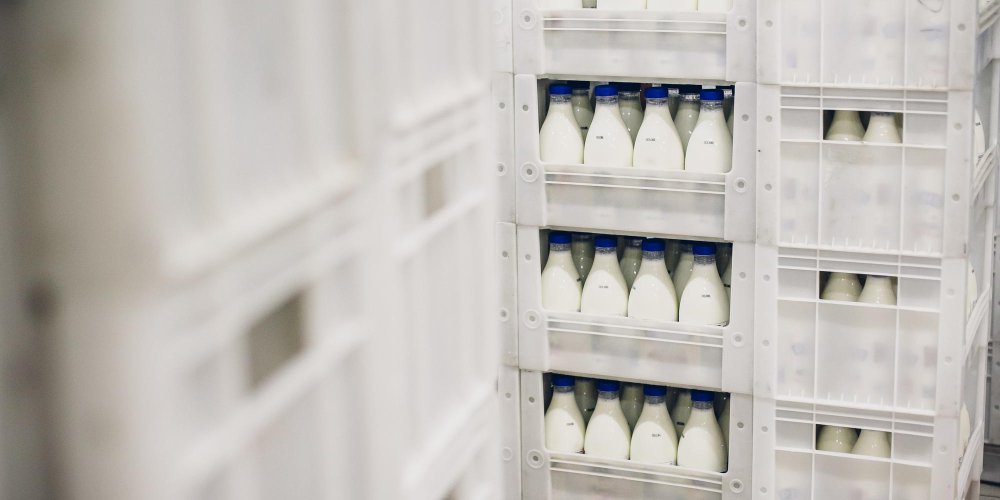
Cold room design should follow the stored product. A room used for fresh vegetables is not operated the same way as a freezer for seafood or a chilled room for flowers. Product type affects temperature range, humidity sensitivity, airflow needs, stock rotation, hygiene practice, shelving, loading behavior, and monitoring. In Malaysia, cold rooms are used across food service, retail, logistics, agriculture, seafood, healthcare, floristry, and beverage storage.
The main cold room Malaysia article explains the system. This page focuses on practical applications and loading workflow, because the same equipment can perform very differently depending on how products are stored.
Food, Seafood, and Meat Storage
Food storage requires control of temperature, organization, hygiene, and access time. Meat and seafood are high-risk products because quality can deteriorate quickly when temperature rises. Frozen products require freezer conditions and careful door discipline. Fresh meat and seafood may require chilled holding depending on process and product state. Dairy and prepared food require consistent chilled storage and clear stock rotation.
Seafood storage often needs careful packaging and drainage planning because water, ice, and odor can affect cleanliness. Meat storage needs separation and hygiene procedures. Fruits and vegetables need temperature control that slows deterioration without freezing or drying. Each product category should be stored according to its own handling procedure rather than mixed casually in one overloaded room.
Flowers, Medicine, Beverages, and Specialty Goods
Fresh flowers need controlled storage to slow wilting and maintain appearance before sale or arrangement. Beverage and wine storage may require stable chilled conditions and organized retrieval. Medicines and selected healthcare products may require stricter temperature records, handling procedures, and controlled access. Marine products, dry seafood, and specialty ingredients may need storage conditions that protect quality and reduce spoilage.
Where products have different temperature requirements, separate rooms or well-planned zones may be needed. A single room cannot satisfy every product equally if the required temperature, humidity, hygiene, and access patterns conflict.
Application Planning Checklist
- Product type: Fresh, chilled, frozen, floral, medical, beverage, or seafood.
- Temperature range: Match chiller or freezer duty to product need.
- Packaging: Consider cartons, crates, trays, hanging stock, or sealed packs.
- Shelving: Allow stock separation, airflow, and safe retrieval.
- Access pattern: Frequent picking needs organized layout and fast door use.
- Monitoring: Higher-risk goods may need logs, alarms, or procedures.
Shelving and Loading Practice
Shelving should keep stock off the floor, organized by product type, and arranged so air can circulate. Four-tier shelving can be useful for compact rooms because it increases usable storage area without stacking products directly against walls or evaporator airflow. Shelving material should suit cleaning and corrosion conditions. Antimicrobial coating may be useful where hygiene is important, but cleaning practice remains necessary.
Loading should avoid blocking air discharge and return. Heavy stock should be placed safely. Labels should face outward so staff can find items quickly. First-in, first-out stock rotation reduces old inventory risk. Products should be staged before door opening when possible to reduce access time. The guide on cold room temperature control explains how loading affects temperature stability.
Space Optimization
Many businesses need cold storage but do not have large dedicated rooms. Modular cold rooms can help optimize available floor space when the room size, door position, shelving layout, and refrigeration clearance are planned early. A compact cold room should not be overloaded simply because it fits more shelves. Overloading reduces airflow and can reduce effective cooling.
Good storage design balances capacity, access, airflow, cleaning, maintenance, and future growth. The correct room is not always the largest possible room. It is the room that supports the product workflow without creating avoidable temperature and handling problems.
Stock Rotation and Access Control
Cold storage works best when stock movement is predictable. Labels should show product type, date received, batch, and expiry where relevant. Fast-moving items should be placed where staff can retrieve them quickly, while slower stock can be stored deeper in the room. This reduces door-open time and helps first-in, first-out rotation. Access control also matters because unnecessary entry adds heat and moisture even when no product is moved.
Some operations reduce access load by using a small service refrigerator for frequent picking while the cold room remains bulk storage. This is useful for restaurants, central kitchens, beverage counters, and retail preparation areas. Staff can pick planned quantities from the cold room at scheduled times instead of opening the main room repeatedly for single items. The result is more stable temperature and less disturbance to stored goods.
Application Review Before Installation
Each application should be reviewed by product risk, turnover rate, cleaning need, and storage density. Seafood may require drainage and odor control. Flowers need gentle handling and controlled access. Medicine may require documented monitoring. Beverages need high turnover and easy picking. Meat storage may require clear separation between raw and processed items. These requirements affect shelving layout, floor finish, door position, and the need for backup temperature checks.
Technical FAQ
Can different products share one cold room?
They can if temperature, hygiene, odor, packaging, and access requirements are compatible. Products with conflicting requirements should be separated.
Why should products not be stacked against the evaporator?
Blocked airflow reduces cooling performance and can create uneven temperature zones inside the room.
Is shelving only for organization?
No. Shelving also improves airflow, reduces floor contact, supports stock rotation, and can improve hygiene and retrieval speed.
Why is door-open time important?
Shorter door-open time reduces warm air and moisture entry, helping the room maintain temperature and reduce refrigeration load.