Cold Chain
Cold Room Malaysia: How Temperature-Controlled Storage Works
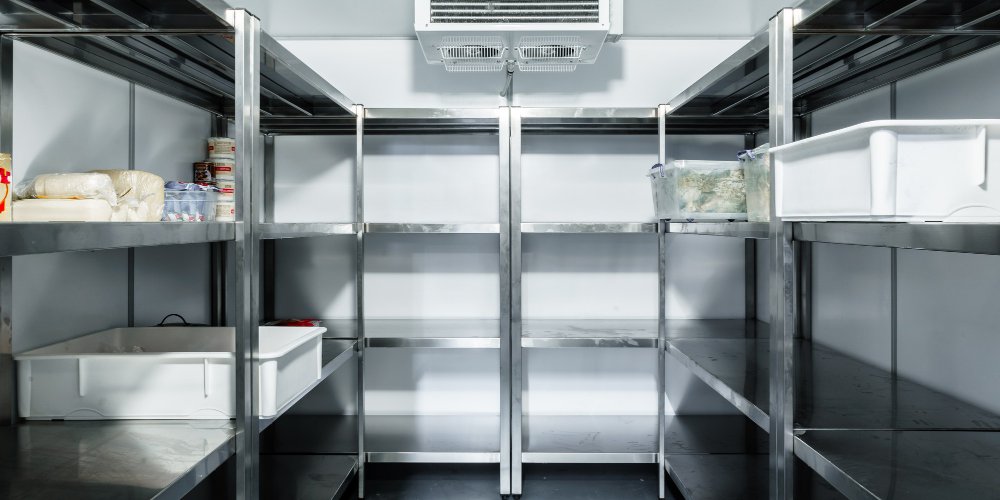
A cold room is an enclosed temperature-controlled storage system used to slow product deterioration by maintaining a stable chilled or frozen environment. In Malaysia, cold rooms are used by food distributors, seafood suppliers, butcheries, restaurants, florists, pharmaceutical stores, convenience operations, caterers, central kitchens, laboratories, and logistics teams. The system is more than a refrigerated box. It combines insulated panels, a door system, refrigeration equipment, air circulation, lighting, shelving, control devices, drainage planning, and operating discipline.
The key function is heat control. Warm air, product heat, door opening, people movement, lighting, fan motors, and surrounding ambient temperature all add heat load into the room. The refrigeration unit removes this heat and rejects it outside the storage space. The insulated enclosure slows heat transfer from the surrounding building. The control system monitors temperature and cycles the refrigeration equipment so the stored goods remain inside the intended range.
For Malaysian operators comparing cold room malaysia options, the practical question is whether the room can hold the correct temperature for the product type, fit the available space, support daily loading patterns, and be installed without creating maintenance problems. A modular cold room with camlock insulated panels, integrated refrigeration, lighting, and shelving can reduce installation complexity where a quick, compact, and movable storage solution is required.
How a Cold Room System Works
The room enclosure is normally formed from insulated sandwich panels. Polyurethane insulation is commonly used because it provides low thermal conductivity within a compact panel thickness. The panels are joined at walls, ceiling, and floor using locking joints or camlock systems. Good joints reduce air leakage and thermal bridging. A poorly sealed joint allows warm humid air to enter, which increases compressor workload and may create condensation or ice.
The refrigeration unit contains the compressor, condenser, expansion device, evaporator, fans, controls, and refrigerant circuit. Heat is absorbed at the evaporator inside or connected to the room, then rejected at the condenser. Fans circulate air so temperature is more even across shelves and storage positions. Controls compare the room temperature with the setpoint and start or stop cooling as required. For related refrigeration details, see cold room refrigeration workflow.
Core Cold Room Components
- Insulated panels: Reduce heat transfer through walls, ceiling, and floor.
- Door and gasket: Control air leakage during normal access.
- Refrigeration unit: Removes heat from the room and rejects it outside.
- Air circulation: Moves cold air around shelves and products.
- Lighting: Supports safe loading and stock checking.
- Shelving: Keeps products organized and allows airflow around goods.
- Controller: Maintains temperature and may trigger alarms or defrost cycles.
Chiller and Freezer Temperature Ranges
A chiller room is normally used for products that must be kept cold but not frozen. Many commercial chiller applications operate around positive temperatures such as 0 to 5 degrees Celsius, depending on product requirements and food safety procedures. A freezer room is designed for frozen storage, commonly around negative temperatures such as -18 to -20 degrees Celsius. These values are not interchangeable. Meat, seafood, vegetables, dairy, beverages, medicine, and flowers each require different storage behavior.
Temperature stability depends on correct sizing and operation. A room that is too small may be overloaded. A room with poor loading discipline may block airflow. Frequent door opening brings in warm humid air. Hot product placed directly into the room adds additional load. The guide on cold room temperature control explains how setpoint, airflow, loading, and monitoring interact.
Practical Usage in Malaysia
Cold rooms are useful where product quality depends on controlled storage. Fruits and vegetables need temperature control to slow respiration and deterioration. Seafood and meat require strict chilled or frozen storage to preserve quality and reduce spoilage risk. Flowers need controlled storage to slow wilting. Medicine and selected healthcare products may require stable temperature records. Beverages and dairy products require organized chilled storage for stock rotation.
In many Malaysian premises, space is limited. A modular cold room can help fit storage into back-of-house areas, compact warehouses, retail preparation rooms, or production support spaces. Units with integrated refrigeration and built-in shelving reduce separate coordination work. However, correct site planning is still required. Power supply, ventilation around the condenser, floor condition, drainage, access path, door swing, loading pattern, and maintenance clearance should be checked before installation.
Technical FAQ
What is the main difference between a cold room and a normal refrigerator?
A cold room is a walk-in storage system with insulated panels, dedicated refrigeration equipment, shelving, and a loading workflow. It is designed for larger stock volume and repeated access.
Can the same room work as a chiller and freezer?
Only if the system is designed for the required temperature range. Chiller and freezer applications have different refrigeration load, insulation, door, defrost, and control requirements.
Why does door opening affect cold room performance?
Door opening lets warm humid air enter. This increases heat load, may create condensation, and forces the refrigeration system to work harder to restore the set temperature.
Why is shelving important inside a cold room?
Shelving organizes stock and helps maintain airflow around products. Poor stacking can block cold air circulation and create uneven temperature zones.