Cold Chain
Walk-In Chiller and Walk-In Freezer: Technical Differences for Malaysian Storage
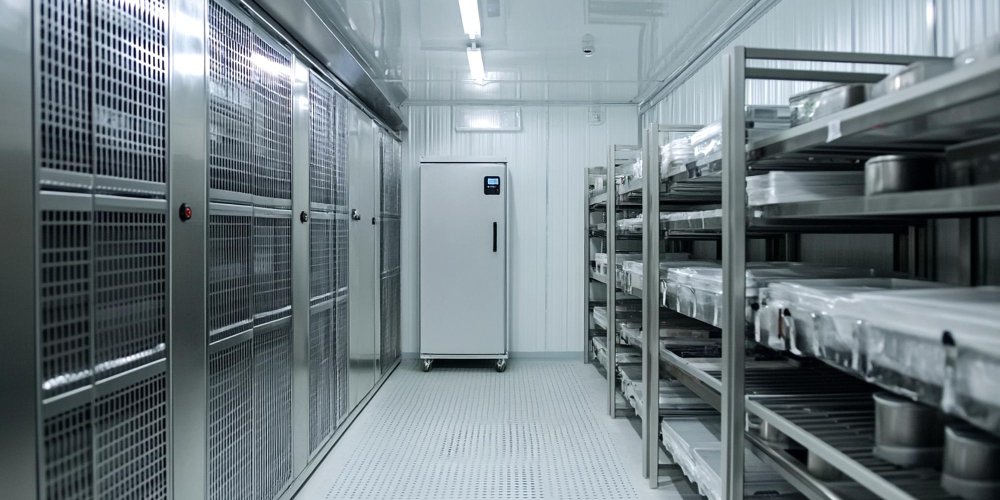
Walk-in chillers and walk-in freezers look similar from the outside because both use insulated panels, doors, shelving, refrigeration equipment, and temperature controls. Their operating requirements are different. A chiller keeps products cold without freezing them, while a freezer maintains sub-zero storage for frozen goods. Selecting the wrong type can affect food quality, product safety, operating cost, and system reliability.
The main cold room Malaysia guide explains the overall cold room system. This article focuses on the practical difference between chilled and frozen storage. The decision should start from the product: vegetables, flowers, beverages, dairy, fresh meat, seafood, frozen meat, processed goods, medicine, or other temperature-sensitive stock.
Temperature and Product Behavior
A walk-in chiller is typically used for products that need positive-temperature storage. Many chilled goods are held around 0 to 5 degrees Celsius, depending on the product and handling standard. Chillers slow biological and chemical deterioration without forming ice inside the product. They are commonly used for vegetables, fruit, fresh flowers, beverages, dairy, prepared food, and selected medicines.
A walk-in freezer is designed for frozen storage, often around -18 to -20 degrees Celsius. Freezers are used when the product must remain frozen, such as frozen seafood, frozen meat, ice cream, frozen processed food, or long-term frozen inventory. Freezing changes product condition, so it is not suitable for goods that should remain fresh, hydrated, or texture-sensitive.
System Design Differences
Freezer rooms have higher thermal stress than chiller rooms because the temperature difference between room interior and surrounding area is larger. This affects insulation, door sealing, compressor duty, evaporator operation, defrost planning, and moisture control. Warm humid air entering a freezer can create frost and ice. That ice may reduce heat transfer, affect fans, increase energy use, and create slip hazards if not managed.
Chiller rooms still require good insulation and door discipline, but their defrost and condensation behavior is generally less severe than freezer rooms. Both systems require correct airflow. Products should not be stacked tightly against evaporator discharge or return paths. Air must circulate around shelves so the controller sees representative temperature and products do not create warm pockets.
Selection Checklist
- Product state: Fresh, chilled, frozen, floral, beverage, dairy, medical, or seafood.
- Temperature range: Positive chiller range or sub-zero freezer range.
- Door traffic: Frequency and duration of access during operation.
- Loading pattern: Hot incoming product, palletized stock, crates, or small cartons.
- Defrost need: More critical for freezer operation due to frost formation.
- Energy load: Higher when room temperature is lower or access is frequent.
Workflow in Daily Operation
In a chiller, staff commonly load fresh products, rotate stock, and access items frequently during service or packing. The system must recover temperature after door opening while avoiding product freezing. In a freezer, the workflow should reduce door-open time because each access can introduce moisture. Freezer users should organize stock before opening the door and keep labels visible to avoid searching inside the room.
For both room types, loading warm product directly into the room should be controlled. A cold room is designed for storage, not always rapid blast cooling. Large amounts of warm product increase heat load and can raise room temperature for other stored goods. Where rapid pull-down is required, the refrigeration design must be sized for that duty.
Practical Applications
Retail kitchens and convenience stores often need chillers for fresh ingredients and beverages. Seafood suppliers may need both chilled holding and frozen storage depending on product movement. Butcheries may use chillers for short-term fresh storage and freezers for longer inventory. Florists use chilled spaces to extend flower freshness. Pharmaceutical users need stable temperature control and careful monitoring, sometimes with stricter documentation than food operations.
The best choice is based on product requirement, space, access pattern, temperature stability, and maintenance capability. A system that works well on paper can still perform poorly if staff overload shelves, block airflow, leave doors open, or ignore frost buildup.
Operating Discipline Before Selection
Before choosing between a chiller and freezer, operators should map the actual work process. This includes delivery timing, carton size, expected door traffic, staff movement, stock rotation method, cleaning schedule, and whether product arrives already cold. A freezer used like a frequently opened service chiller will normally suffer from frost and recovery problems. A chiller used for goods that require frozen holding will not protect the product.
It is also useful to separate storage duty from processing duty. If products are washed, cut, repacked, or sorted near the room, warm air and moisture may enter during every access. In that case, an ante-room, strip curtain, better staging practice, or different door position may reduce refrigeration stress. The room temperature is only one part of the decision; the handling workflow determines how hard the system must work every day.
Technical FAQ
Is a walk-in freezer more expensive to operate than a chiller?
Usually yes. A freezer works at a lower temperature and has a larger heat difference to overcome, so insulation, compressor duty, defrost, and door discipline become more critical.
Can vegetables be stored in a freezer?
Only if frozen storage is intended. Fresh vegetables usually require chilled storage, not freezing, because freezing can damage texture and quality.
Why does a freezer need defrost control?
Moisture entering the freezer can freeze on evaporator surfaces. Defrost control removes frost so heat transfer and airflow remain effective.
What causes uneven temperature inside a chiller?
Common causes include blocked airflow, overstacking, frequent door opening, poor sensor location, warm incoming goods, and insufficient refrigeration capacity.