Cold Chain
Cold Room Insulated Panels and Camlock Joint Systems Explained
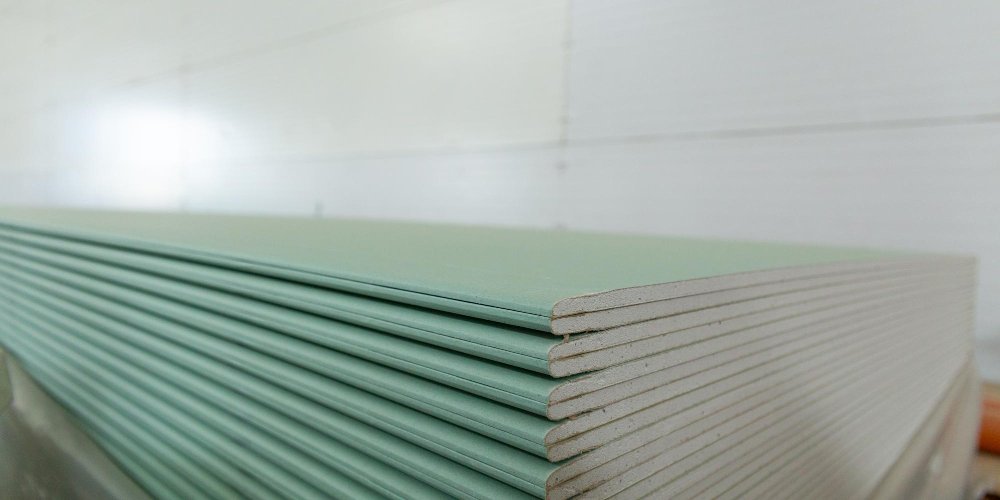
Cold room performance starts with the enclosure. If the panels, joints, floor, door, and ceiling do not control heat transfer and air leakage, the refrigeration unit must work harder and temperature stability becomes weaker. Insulated sandwich panels are therefore not only construction material. They are part of the thermal system.
The main cold room Malaysia guide explains the full storage system. This page focuses on panels and camlock joints because they affect installation speed, dismantling, leakage control, and long-term operating cost.
How Insulated Panels Work
A cold room panel normally has two facing sheets with an insulation core between them. Polyurethane insulation is widely used because it provides strong insulation in a relatively thin panel. The insulation slows heat movement from the warmer outside environment into the cold room. The facing sheets protect the insulation and provide a cleanable surface for storage operations.
Panel thickness affects thermal performance and structural behavior. A 100 mm insulated panel is common for many cold room systems because it balances insulation strength, panel rigidity, and modular installation. Freezer applications can require more careful attention to insulation, joints, floor design, and vapor control because the temperature difference is larger.
Why Camlock Joints Matter
A camlock system uses built-in locking mechanisms to pull panels together during assembly. This creates a tight joint without relying only on external brackets or slow site fabrication. A good camlock joint helps align panels, compress sealing surfaces, and reduce gaps. It also allows faster installation and easier dismantling if the room must be relocated or reconfigured.
Joint quality matters because small gaps can leak air. Warm humid air entering a cold room increases refrigeration load, creates condensation, and can lead to frost in freezer applications. Poor alignment can also create hygiene and cleaning issues. For modular commercial rooms, camlock joints are useful because they make the enclosure more repeatable and serviceable.
Panel and Joint Checklist
- Insulation core: Determines resistance to heat transfer.
- Panel thickness: Must match chiller or freezer temperature duty.
- Facing material: Should suit cleaning, corrosion, and food storage conditions.
- Camlock alignment: Helps create tight panel joints during installation.
- Door frame: Must seal correctly and tolerate repeated access.
- Floor interface: Should support loading, cleaning, and thermal control.
Installation Workflow
Panel installation begins with site measurement and floor preparation. The floor must be level enough for panel alignment and door operation. Wall panels are positioned and locked together, followed by ceiling panels and internal fittings. Doors, gaskets, lighting, shelving, and refrigeration components are then installed or connected depending on the system design.
For modular cold rooms, fast installation is valuable because business interruption can be reduced. However, speed should not replace checking. Installers should verify panel alignment, joint closure, door sealing, lighting function, shelving position, refrigeration clearance, drainage needs, and power supply. After assembly, the room should be tested for temperature pull-down and stable operation.
Practical Usage and Maintenance
Panels should be kept clean and protected from impact. Forklifts, trolleys, crates, and shelving can damage panel faces if movement is uncontrolled. Damaged facings may expose insulation or create hygiene problems. Door gaskets should be checked because a weak gasket can waste energy even when panels are good. Joints should be observed for condensation, staining, or ice formation, which may indicate leakage or thermal bridging.
A well-built enclosure reduces refrigeration load, improves temperature consistency, and supports longer equipment life. The refrigeration system is important, but it cannot compensate indefinitely for weak insulation or poor sealing.
Acceptance Checks After Assembly
After installation, the enclosure should be checked before full product loading. Door closing pressure, gasket contact, panel alignment, ceiling joint tightness, floor edge sealing, and internal lighting should be verified. The room should then be pulled down to operating temperature and observed for condensation at joints or door frames. These checks are simple, but they prevent a common problem: discovering air leakage only after stock is already inside the room.
For food and healthcare storage, enclosure checks should be treated as part of hygiene and reliability control, not only construction inspection. Gaps around floor-wall junctions, damaged panel skins, loose trims, or poorly sealed service penetrations can collect moisture and make cleaning harder. When a cold room is dismantled and moved, the same checks should be repeated because panels and gaskets can shift during handling. A modular system gives flexibility, but it still depends on careful reassembly.
Panel Selection for Malaysian Sites
Malaysia's warm and humid ambient conditions make insulation quality and joint sealing important. A room placed beside a hot kitchen, loading bay, or poorly ventilated plant area faces more heat gain than a room in a shaded, conditioned space. The panel system should therefore be reviewed together with site temperature, wall exposure, floor condition, and condenser ventilation. Good panels cannot fully compensate for a location that traps heat around the refrigeration unit.
Technical FAQ
What does a cold room insulated panel do?
It slows heat transfer into the room and forms the enclosed storage space. Good insulation reduces refrigeration load and improves temperature stability.
Why use camlock joints?
Camlock joints speed up installation, improve panel alignment, pull joints tight, and can make dismantling or relocation easier when required.
Can panel gaps affect energy use?
Yes. Gaps allow warm humid air to enter, increasing heat load and causing the refrigeration unit to run longer.
What panel areas need regular inspection?
Check door gaskets, panel joints, floor edges, impact marks, condensation points, and areas near shelving or trolley movement.