Immigration
MM2H Fixed Deposit and Property Purchase Planning
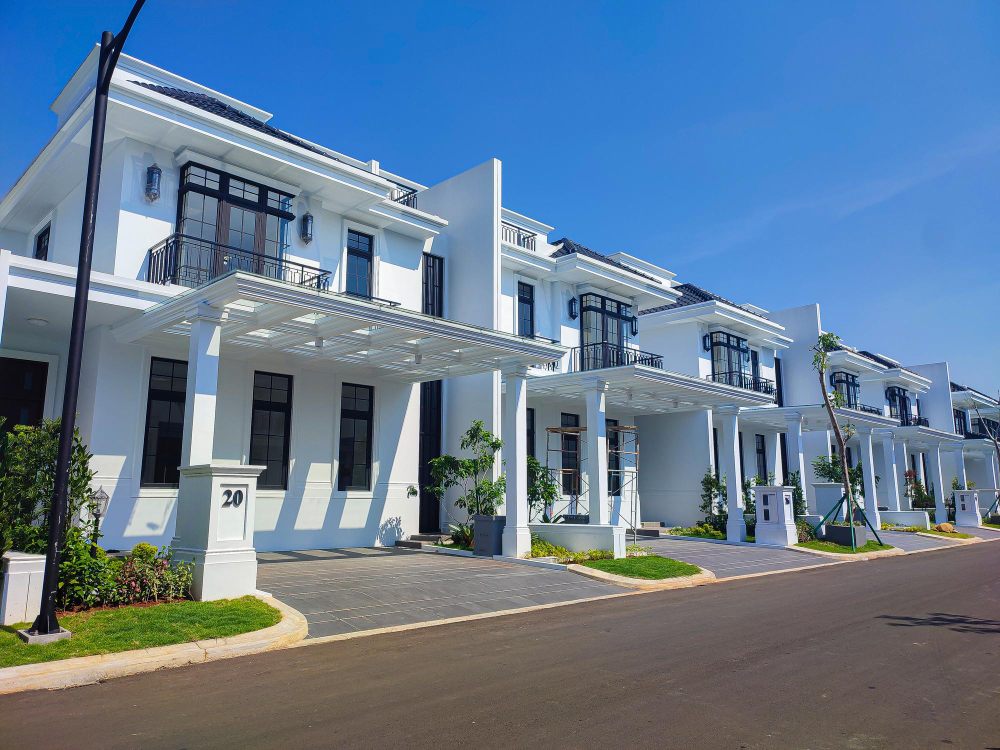
The financial side of MM2H is often discussed as a deposit figure, but the real planning issue is broader. Applicants need to understand how much money is placed, how long it may remain committed, what withdrawals are permitted, whether property purchase is mandatory, what fees apply, and how the remaining cash flow supports daily living in Malaysia. A fixed deposit is not only a number on a checklist; it is part of a long-term residency control system.
Because programme categories may set different financial thresholds, applicants should first confirm the category that matches their age, family plan, property intention, and intended activities. The main MM2H Malaysia guide explains how the programme works as a complete residency workflow before financial commitments are made.
How Fixed Deposit Placement Works as a Control Mechanism
The fixed deposit requirement gives the programme a financial commitment point. It helps show that the applicant can support a long-term stay and creates a controlled fund that may be subject to specific withdrawal rules. The applicant should understand the deposit currency, timing, banking process, account control, and whether the required amount differs by age or category.
Planning should also account for exchange-rate movement. Applicants transferring funds into Malaysia may face currency fluctuation between planning, approval, bank account opening, and placement. A deposit that appears affordable at one exchange rate may require more home-currency funds later. This is not a programme rule issue alone; it is a practical treasury issue.
Financial Planning Checklist
- Deposit amount: Confirm current threshold by category and applicant age.
- Withdrawal rules: Identify whether partial withdrawal is allowed and for which purposes.
- Property condition: Check whether purchase is mandatory and whether minimum price rules apply.
- Fees: Include application, renewal, document, translation, certification, and advisory costs.
- Liquidity: Keep funds available for housing, healthcare, education, insurance, tax review, travel, and emergency needs.
| Category | Fixed deposit placement | Approximate RM reference | Property purchase reference | Renewal fee reference |
|---|---|---|---|---|
| SEZ/SFZ age 21-49 | USD 65,000 | Approx. RM 305,000 | As set for eligible SEZ/SFZ property development | RM 300 |
| SEZ/SFZ age 50+ | USD 32,000 | Approx. RM 150,000 | As set for eligible SEZ/SFZ property development | RM 300 |
| Silver | USD 150,000 | Approx. RM 700,000 | Minimum RM 600,000 | RM 1,500 |
| Gold | USD 500,000 | Approx. RM 2,340,000 | Minimum RM 1,000,000 | RM 3,000 |
| Platinum | USD 1,000,000 | Approx. RM 4,680,000 | Minimum RM 2,000,000 | RM 5,000 |
Reference only: The RM references are approximate planning figures and can move with exchange rate assumptions. Always verify the latest official MM2H requirements and current banking, property, and renewal conditions before using these amounts for decisions.
Withdrawal and Permitted Use
Some MM2H structures may allow a portion of the fixed deposit to be withdrawn for approved uses such as property, education, medical, or tourism-related expenses in Malaysia. Applicants should not assume all expenses qualify automatically. The withdrawal process may require documentation, approval, proof of purpose, or compliance with programme conditions.
The key risk is double-counting money. A family may mentally allocate the same deposit to visa compliance, property down payment, school fees, and emergency reserve. In reality, funds that are locked, restricted, or only partially withdrawable cannot be treated like free cash. A conservative plan separates committed funds from operating funds.
Property Purchase Planning
Property purchase rules can be category-specific and may interact with state-level property policy. A programme may define a minimum property value, while local property rules may impose separate thresholds or approval requirements. If a purchase must be made directly from a developer or within a specified economic zone, the property search becomes narrower and should be planned early.
Applicants should also understand resale restrictions, upgrade rules, and the practical cost of ownership. Purchase price is only the headline figure. Legal fees, stamp duty, maintenance charges, sinking funds, utilities, renovation, furnishing, insurance, and financing restrictions can affect the real long-term cost. Property decisions should not be made only to satisfy a visa condition. They should fit the applicant's residency location, family needs, healthcare access, school access, and exit strategy.
Risk Controls Before Committing Funds
Before transferring large amounts or signing property documents, applicants should confirm current programme rules, eligibility, document readiness, banking pathway, property compliance, and family plans. If any of these areas is uncertain, the financial commitment may move faster than the application file can support.
Good records are important. Keep deposit placement confirmation, bank correspondence, withdrawal approvals, receipts, property documents, and renewal fee records. These records may help during renewal, dependant updates, or future compliance review. Financial planning should be connected to the MM2H renewal and long-term residency plan, not treated as a one-time payment.
Scenario Planning
Applicants should test several scenarios before committing funds. One scenario may assume the full family relocates immediately. Another may assume the principal applicant travels frequently while dependents remain in school. A third may include property purchase, renovation, medical insurance, and currency movement. Comparing these scenarios shows whether the selected category remains practical after real living costs are added.
A conservative scenario should include delays. Bank account opening, fund transfers, document certification, property signing, and approval steps may not move at the same speed. Keeping a timing buffer helps applicants avoid placing funds or signing purchase documents before the application file is ready.
Technical FAQ
Is the MM2H fixed deposit fully spendable?
No. It should be treated as a controlled placement. Withdrawal may be limited, conditional, or only allowed for approved purposes depending on the current programme rules.
Should property be chosen before eligibility is confirmed?
Usually no. Applicants should understand eligibility, category conditions, document readiness, and property rules before making major property commitments.
Why does liquidity matter for MM2H?
Funds placed in fixed deposit or property may not be available for daily expenses, healthcare, education, travel, renewal, or emergencies. Applicants should keep separate operating reserves.
Can MM2H property rules differ by location?
They can. Programme conditions may interact with state property policies, minimum price rules, developer requirements, and resale restrictions. Verify before purchase.