Immigration
MM2H Document Checklist: How Application Files Are Prepared
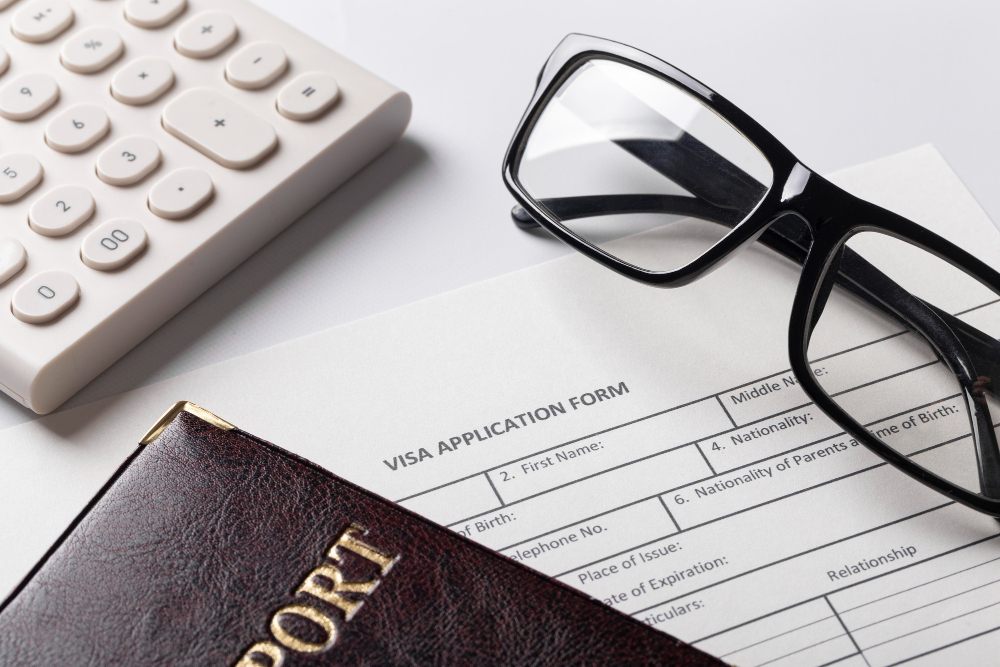
An MM2H application is only as strong as the documents behind it. Eligibility may be clear, but incomplete passport pages, inconsistent names, expired documents, poor translations, missing relationship evidence, or uncertified copies can delay review. A document checklist is therefore not just an administrative list. It is the quality-control system for the application file.
The document workflow should start early because some records must be requested from foreign authorities, translated, notarised, certified, or legalised. Families with dependents need more time because each spouse, child, parent, or parent-in-law may create additional identity and relationship evidence requirements. The MM2H Malaysia main guide explains how document preparation fits into the wider residency workflow.
Core Document Categories
Common document groups include passport copies, passport-sized photographs, letters of good conduct, marriage certificates, birth certificates, adoption documents where applicable, and other supporting evidence requested by the programme. Passport copies should usually include biodata pages and relevant entry or exit stamped pages when required. Photos may need specific background colour, size, and format.
Relationship documents must be consistent. Names, dates, spellings, and identity numbers should match across passports, marriage certificates, birth certificates, translations, and application forms. Small inconsistencies can create questions during review. If a document uses a different spelling or old name, supporting explanation may be needed.
Document Control Workflow
- Create one checklist row for every applicant and dependent.
- Record required document type, source country, issue date, expiry date, and status.
- Check whether translation, notarisation, certification, or embassy confirmation is required.
- Review spelling, date format, passport number, and relationship evidence.
- Store clean scans and keep physical originals accessible for later verification.
Good Conduct and Identity Evidence
A letter of good conduct or police clearance can take time depending on the country of origin or current residence. Applicants should confirm where the letter must be issued, how long it remains valid, and whether it must be translated or certified. Waiting until the end of preparation can create avoidable delay.
Identity evidence should be complete and readable. A passport scan that cuts off page edges, hides stamps, or uses poor resolution may not be accepted. If a passport will expire soon, the applicant should consider whether renewal is needed before submission. A new passport issued during the process may require file updates.
Translation, Notarisation, and Certification
Documents not issued in the required language may need translation. The translation should be tied clearly to the source document, with names and dates matching exactly. Notarisation and certified true copy requirements vary depending on document type and issuing country. Some documents may require certification by Malaysian Embassy, High Commission, or Consulate channels depending on current rules.
This stage is where many files become messy. Applicants should avoid mixing uncertified working copies, old scans, and final certified copies without clear file names. A disciplined naming system such as applicant name, document type, date, and status makes review easier.
Practical File Review Before Submission
Before submission, every document should be checked against the current requirement list. The reviewer should confirm that each required applicant has a corresponding document, the scan is legible, the translation is complete, the certification is visible, and the document has not expired. It is useful to keep a final submission folder separate from working copies.
Document control also helps after approval. Copies may be needed for banking, school admission, property purchase, renewal, dependant updates, or healthcare arrangements. Document planning connects directly to MM2H dependents, education, and healthcare planning.
Version Control for Families
Family applications need tighter version control than single-applicant files. Each person may have a different passport expiry date, document language, issuing country, and certification status. A shared tracking sheet can show whether a document is requested, received, translated, certified, reviewed, or ready for submission.
Version control also prevents accidental use of outdated files. If a passport is renewed, the related application form, document list, and scan folder should be updated together. If a certificate is reissued, the old copy should be archived clearly so it is not submitted by mistake.
A final quality check should be done by someone who was not assembling the file. A fresh reviewer is more likely to notice missing pages, inconsistent names, unclear scans, or documents placed under the wrong family member. This review should happen before appointments, courier submission, or payment steps are scheduled.
Technical FAQ
Why is document consistency important for MM2H?
Inconsistent names, dates, passport details, or relationship evidence can slow review. The application file should tell one clear and consistent identity story.
Do all foreign documents need translation?
Not always, but documents not issued in the required language may need translation and certification. Applicants should verify current document rules before submission.
When should the good conduct letter be requested?
Early. Processing time and validity rules differ by country, so applicants should plan it before the rest of the file is nearly complete.
Should applicants keep copies after approval?
Yes. Copies can support banking, school enrolment, property work, dependant updates, healthcare arrangements, and renewal preparation.